
Welcome to the Unplugged Childhood Blog
A space for sharing ideas, stories, wisdom and views. Here we share the ideas that shape our work, from intentional childhood and simple, natural play to storytelling, design, and the science that supports early development. You will find reflections, research, behind-the-scenes notes, and practical inspiration for creating a home that feels beautiful, grounded, and truly child-centered.
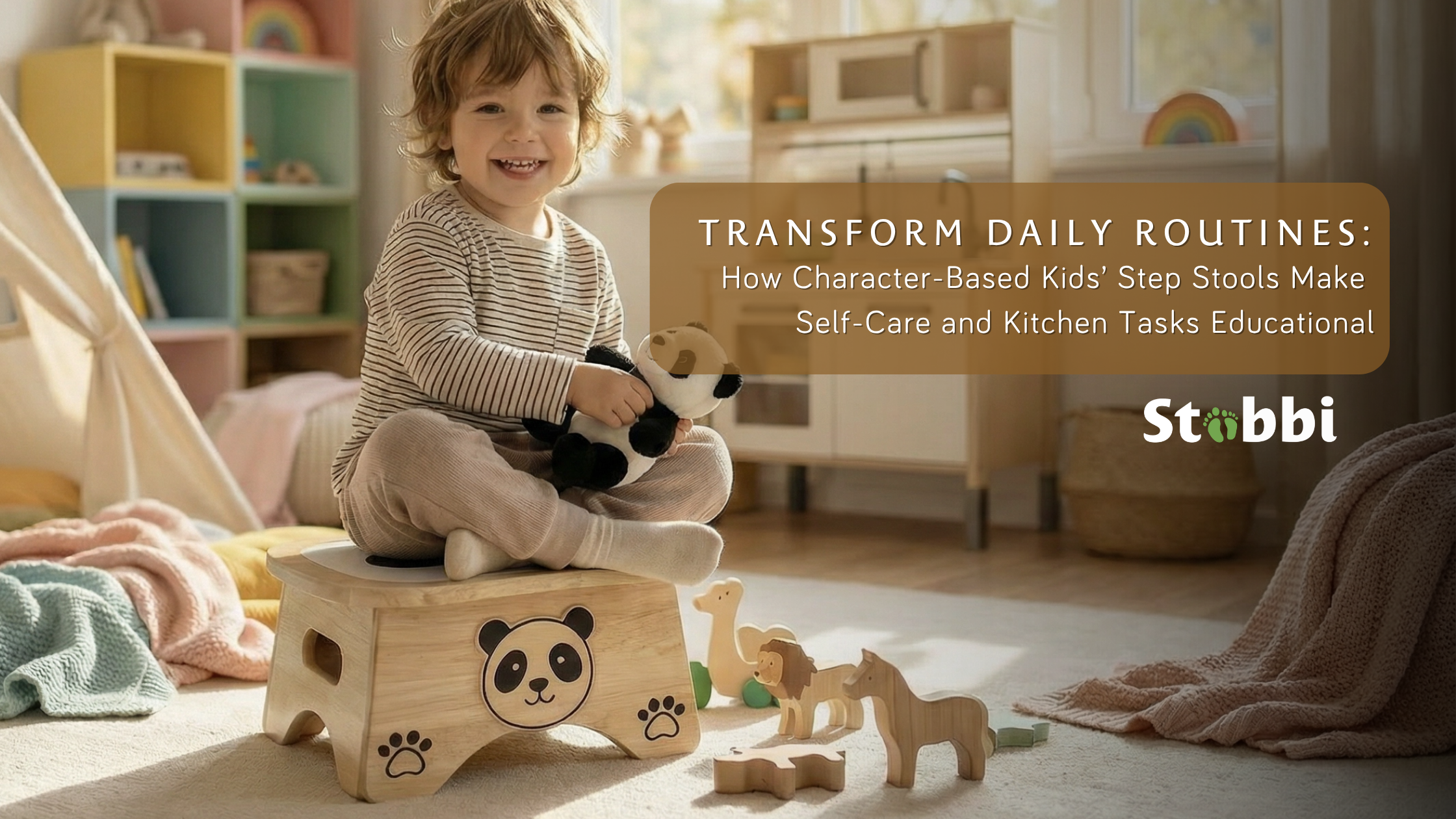
Transform Daily Routines: How Character-Based Kids’ Step Stools Make Self-Care and Kitchen Tasks Educational
Young children repeat bathroom and kitchen routines multiple times every single day. That repetition is powerful. According to the Centers for Disease Control and Prevention (CDC), everyday activities are among the most effective contexts for building developmental milestones in toddlers and preschoolers — from fine motor skills to cognitive sequencing. The challenge? Kids often find these routines boring or resist them entirely.
'Stobbi' Hits Kickstarter Goal in Under a Week, Bringing Premium Craftsmanship to a Market Saturated with Plastics
The overwhelming early support on Kickstarter demonstrates that modern families are actively seeking alternatives to disposable culture. Parents are investing in heirloom-quality items that inspire healthy confidence and curiosity. Stobbi is made to last for years, intended to be passed down with love and shared across families and generations.
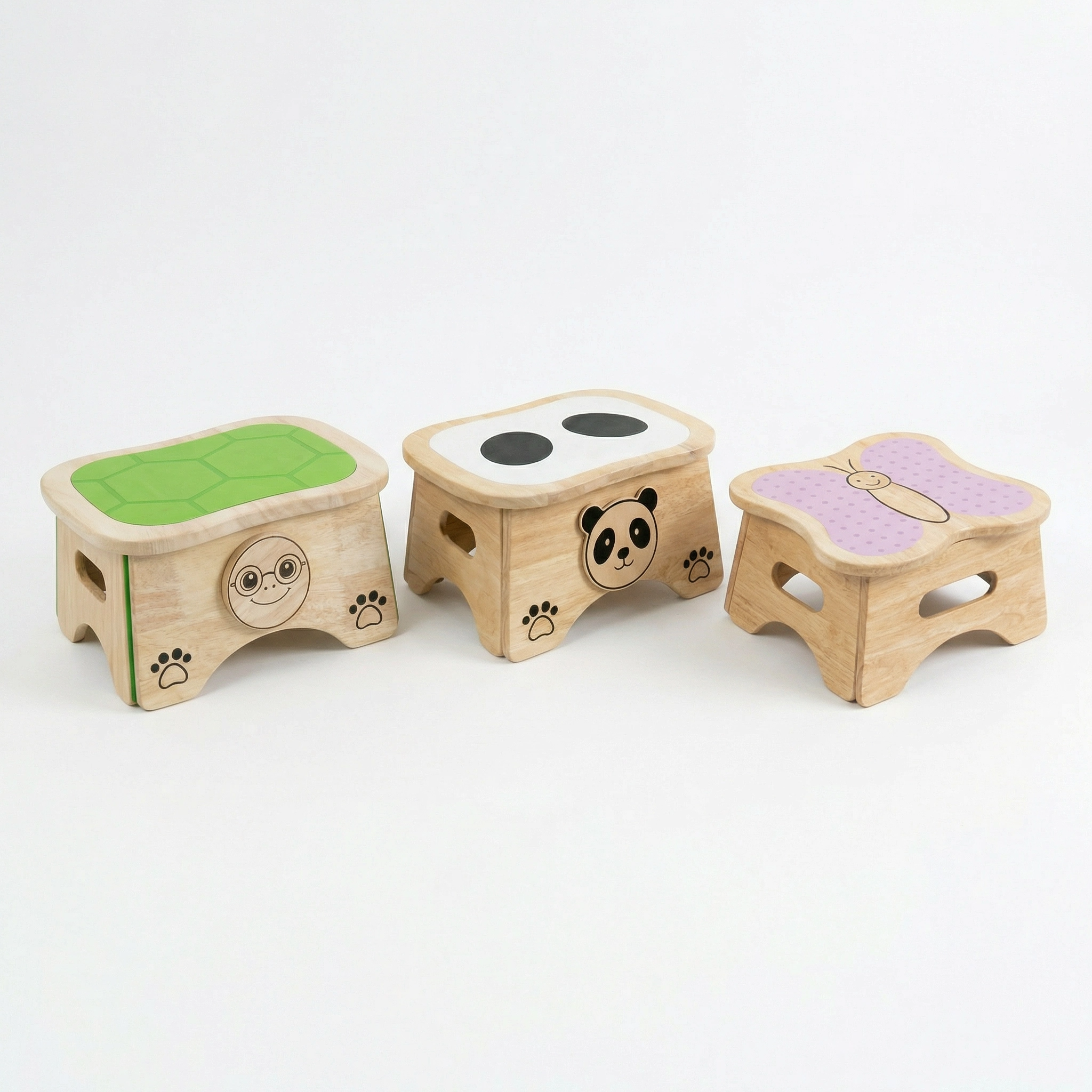
Stobbi: A Friend and a Step-Stool Crafted from Natural Wood
The science behind a thoughtful childhood is not complicated, but it is profound. Over and over, research points back to the same foundation. Young children thrive when they have warm relationships, unhurried routines, plenty of sleep, and hands-on play that lets them lead. Their brains build through back-and-forth conversation, through movement, through exploring real space, and through the simple magic of being included.
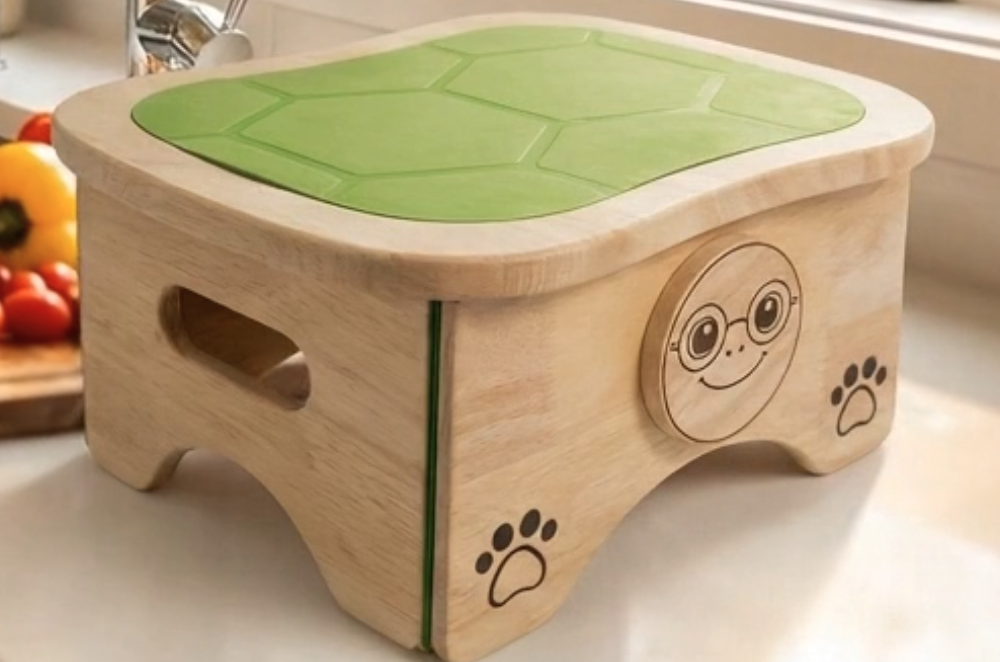
The Power of Storyfication: How Children Respond to Character-Driven Activity
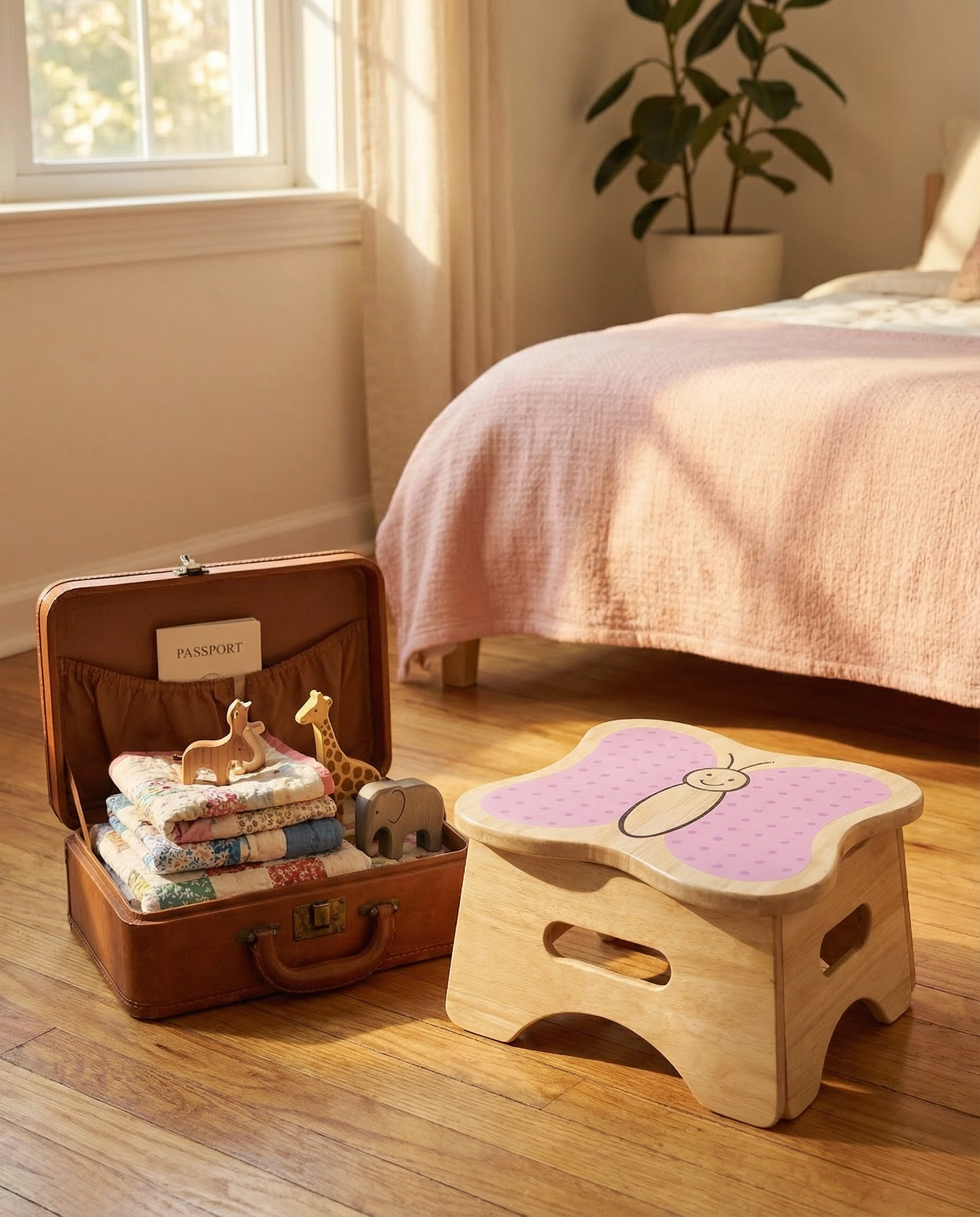
We’ve never thought of Stobbi as a stool. To call it that is to miss the heart of what it does. A stool is an inert object. It’s a piece of furniture. It sits there, waiting to be used. A stool is a thing you command a child to use. And as any parent knows, children don’t follow instructions. Not really.
Why Design Matters: Bringing Beauty and Imagination Back into Childhood
In our modern world, children's spaces are often filled with a cacophony of plastic, bright colors, and electronic noises. While these items may be designed to entertain, they often lack the soul and substance that truly nourish a child's developing mind and spirit. There is a growing movement among parents and educators to bring beauty, imagination, and a sense of wonder back into childhood. This is not about creating a perfect, museum-like environment, but rather about thoughtfully curating a space that inspires creativity, fosters a connection to the natural world, and respects the child as a whole person.